Designing a practical response to a gap in dementia care
How do you make uncertainty easier to navigate?
Having previously supported the Dementia Change Action Network with its messaging and brand development, we were asked to help solve a more specific challenge: how to support people during the often lengthy wait between an initial GP visit and a memory assessment.
During this period, people can be left with little guidance about what happens next – creating confusion, anxiety and uncertainty at an already difficult time. Information existed, but it was fragmented, often clinical in tone and rarely focused on the immediate questions people had while they waited.
For DCAN, the challenge was to turn a complex process into something people could understand, navigate and act on.
The approach
Defining the response We proposed a dedicated resource – Next Steps – focused specifically on what people need to know and do while waiting for a memory assessment. We also explored how it could reach people at the right moment, including through NHS services.
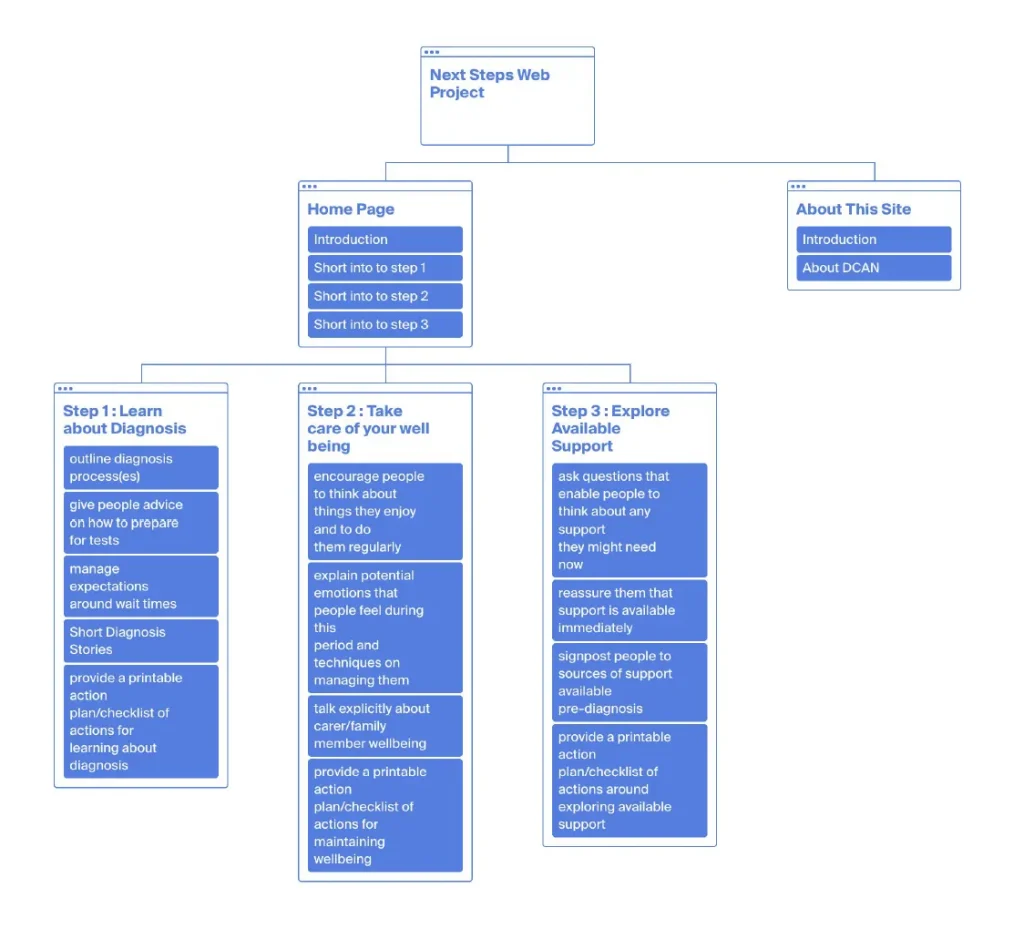
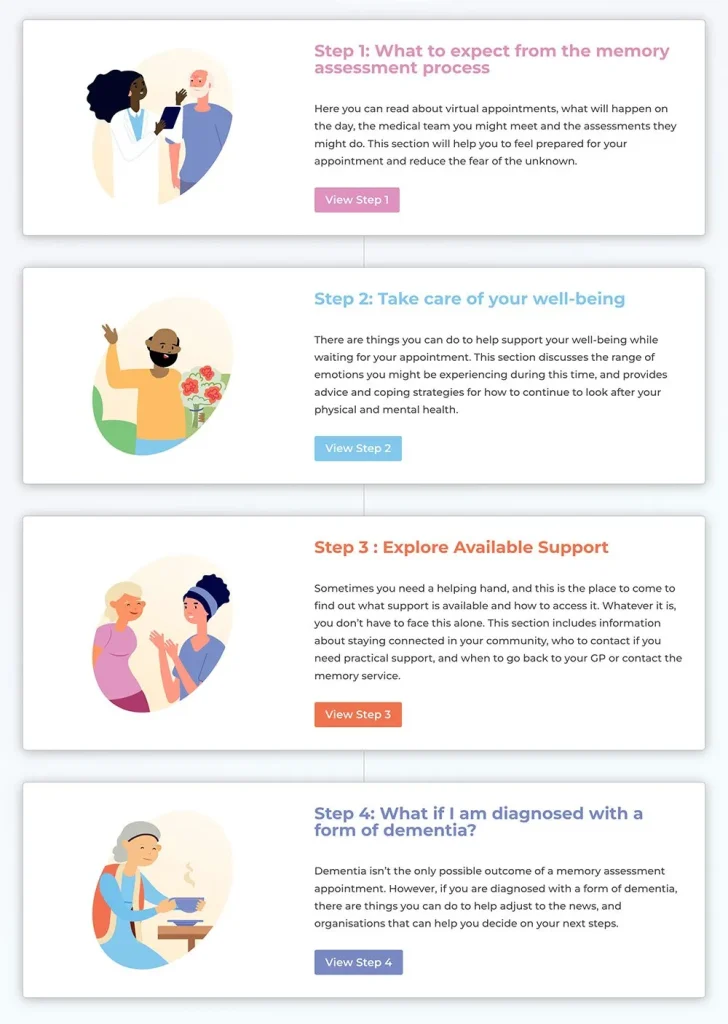
Creating a simple journey We organised Next Steps around a clear three-step structure designed to make the experience feel more manageable. Each stage addressed a different need: understanding the assessment process, navigating day-to-day uncertainty and finding available support.
Translating complexity into clarity We turned complex clinical processes and specialist input into straightforward, actionable guidance, using plain English and a calm, reassuring tone of voice.
Designing for moments of uncertainty We designed the resource around how people would actually use it – often while worried or overwhelmed – making information easy to navigate and helping people quickly understand what they could do next.
What we delivered
Strategy and concept development for Next Steps
Information architecture and user journey
Content development and plain-English copy
Visual design and digital experience
Design and build of the Next Steps website
Approach to reaching people through NHS services
Trusted by the NHS since 2020
Since 2020, Next Steps has been used by NHS services to support thousands of people waiting for a memory assessment, providing clear, practical guidance at one of the most uncertain points in the dementia diagnosis journey.
“HopeWorks’ ability to mix a strategic mind with first-rate design and excellent copy is a rare combination. And their astute grasp of my field – personalisation and dementia – gives their input an added dimension.”

 Family for Every Child
 Think Local Act Personal
 Dementia Change Action Network
 Wellbeing Teams
 UK Trade & Investment
 National Co-production Advisory Group
 Family for Every Child
 NHS
NHS Chinese Arts Centre
 Lion ALERT
 Mirfield Town Council
 Family for Every Child
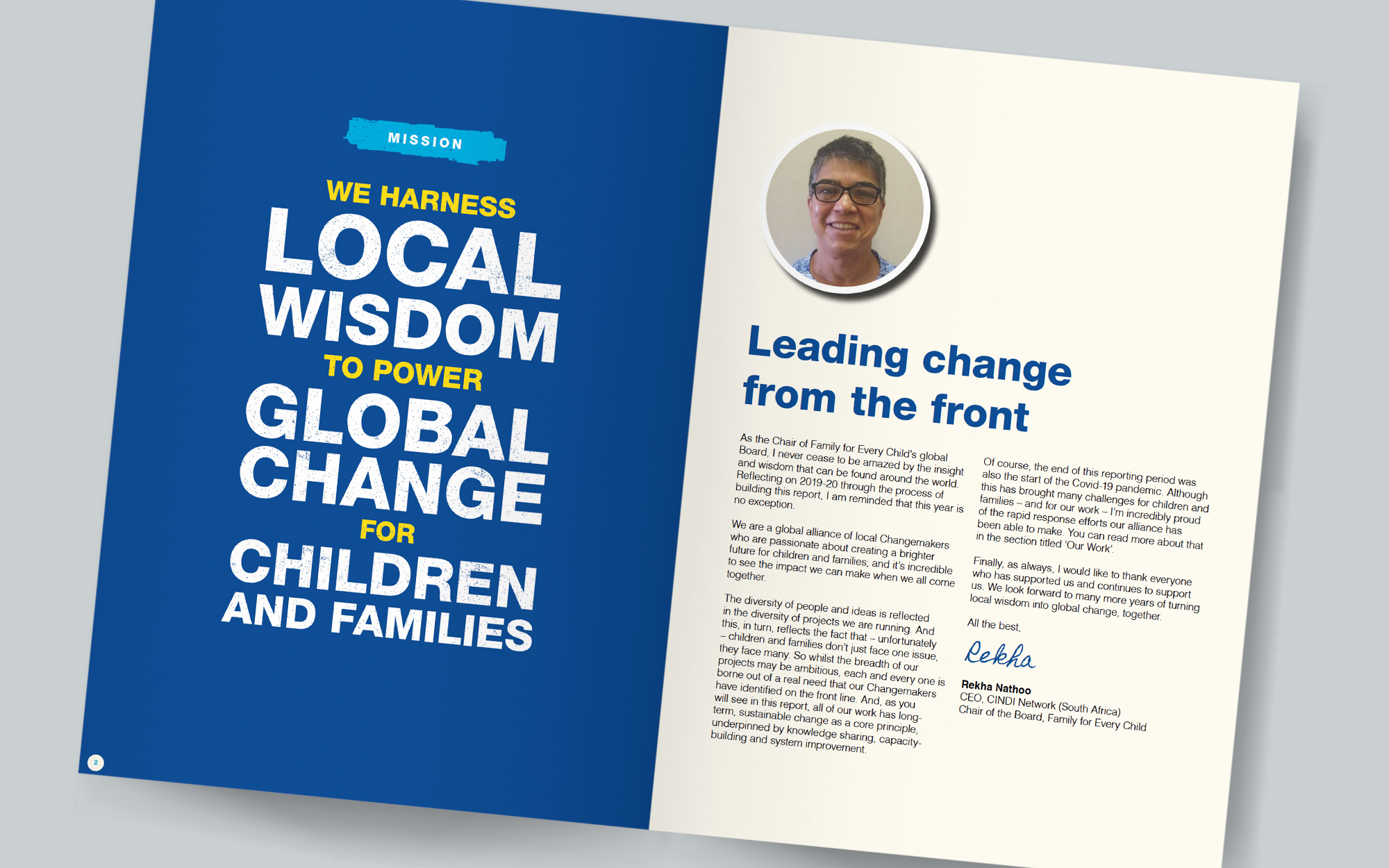 Family for Every Child
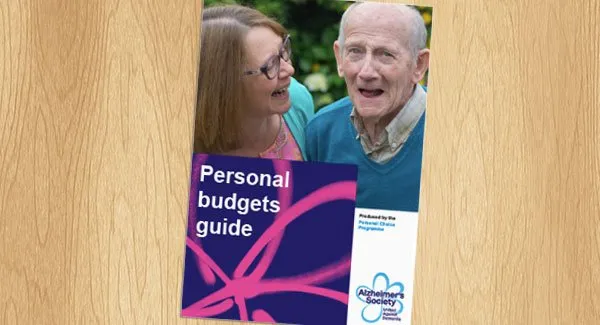 Alzheimer’s Society
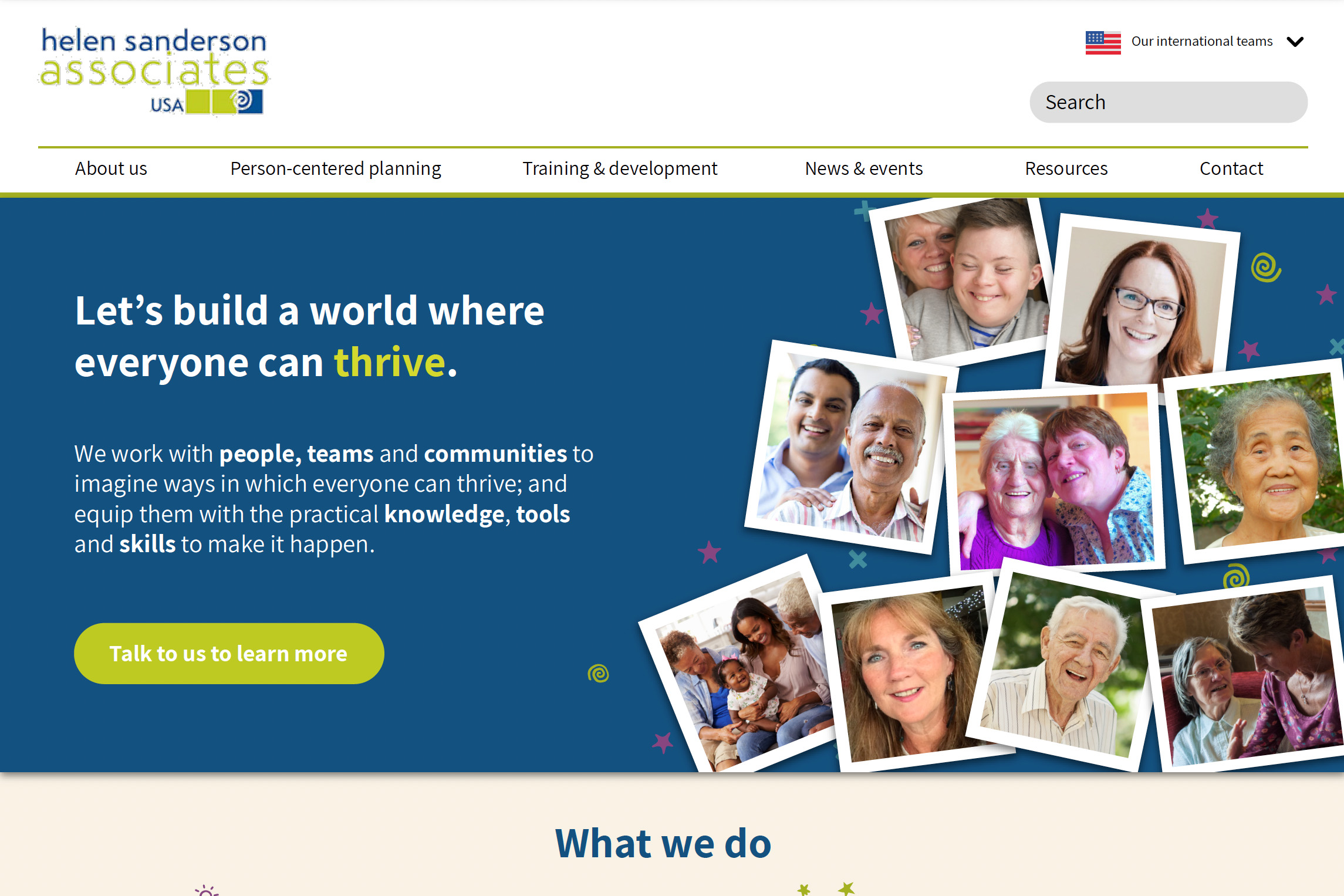 Helen Sanderson Associates USA